

Cultural insights into diverse casino experiences around the world
Casinos have a rich historical context that varies significantly across cultures. In ancient Rome, gambling was deeply integrated into social life, often associated with festivals and public events. Romans believed that games of chance were not merely a pastime but a way to honor the gods, reflecting a cultural reverence for fortune and fate. This aspect of gambling laid the groundwork for modern casinos, which still serve as centers of social interaction. As the landscape of gaming evolves, players can explore engaging platforms like https://vipluck-australia.com/.

In contrast, Asian cultures, particularly in China, have their unique take on gambling. The tradition of gambling dates back thousands of years, with games like Pai Gow and Mahjong being integral to social gatherings. These games emphasize family and community bonding, illustrating how gambling transcends mere financial gain, instead embodying cultural connections and familial ties. Understanding these cultural nuances provides deeper insight into why casinos thrive in these regions.
Moreover, in Western contexts, particularly in Las Vegas, casinos have evolved into entertainment hubs that reflect the American dream. They symbolize luxury, excitement, and the promise of fortune, creating a stark contrast to the more communal aspect of gambling in other cultures. The glitz and glamour associated with casinos in places like Las Vegas serve to attract tourists, highlighting the cultural inclination towards individualism and entertainment.
Local regulations play a crucial role in shaping the casino landscape across different countries. For instance, in Europe, regulations can vary not just between countries but within regions, affecting how casinos operate. Countries like Monaco and Switzerland have strict regulations, ensuring high standards of security and fairness, whereas other nations may offer more relaxed rules, fostering a different gambling atmosphere. This regulatory framework influences everything from game offerings to marketing strategies.
In Asia, the regulatory environment is often more stringent, reflecting a complex interplay between traditional values and modern economic ambitions. Countries like Singapore have embraced the casino industry, creating integrated resorts that combine gambling with other leisure activities while maintaining tight regulations. This approach aims to balance economic benefits with social responsibility, showcasing a cultural awareness of the potential pitfalls associated with gambling.
The United States presents another regulatory landscape, with each state establishing its own rules governing casinos. States like Nevada have become synonymous with gambling due to their lenient laws, fostering a thriving casino culture. Conversely, states with stricter regulations may experience a more subdued casino environment. This patchwork of regulations highlights the diverse cultural attitudes towards gambling and underscores how local laws significantly impact the casino experience.
Casinos often serve as cultural symbols that reflect the identity and values of a community. In Native American cultures, for instance, casinos have become significant sources of revenue and cultural preservation. Many tribes have leveraged gaming as a means to fund education and healthcare, emphasizing a commitment to community welfare. This relationship between casinos and cultural identity illustrates how gaming can be used as a tool for empowerment and social progress.
Similarly, in countries like Australia, the integration of casinos into cultural events demonstrates their multifaceted role within society. Australian casinos often host cultural festivals, art exhibitions, and community gatherings that celebrate local heritage. This blending of entertainment and cultural expression highlights the importance of casinos as more than just places to gamble; they become venues for cultural engagement and community bonding.
Moreover, in countries with deep-rooted gambling traditions, such as Japan, the emergence of pachinko parlors illustrates how gaming aligns with cultural practices. Pachinko is more than a game; it embodies aspects of Japanese entertainment and leisure, providing a unique experience that resonates with the local population. This cultural symbolism attached to casinos and gaming reinforces their importance in shaping community identity and preserving cultural heritage.
The advent of technology has significantly transformed the casino experience worldwide. Online gaming platforms have emerged, allowing players to engage with their favorite games from the comfort of their homes. This shift not only reflects changing consumer habits but also highlights the cultural adaptation to digital technologies. Countries with advanced internet infrastructure, such as Sweden and Canada, have seen a surge in online casinos, creating new gaming experiences that align with modern lifestyles.
Mobile gaming has taken this transformation a step further, enabling players to access casinos anywhere, anytime. This accessibility caters to the fast-paced life of contemporary society, particularly in urban areas where time is often scarce. The rise of mobile gaming showcases how casinos are adapting to cultural shifts towards convenience and instant gratification, blurring the lines between traditional and modern gaming experiences.
Additionally, the integration of virtual reality and augmented reality in casinos marks a new era of immersive gaming. Countries investing in innovative technologies are redefining the casino experience, providing players with a more engaging and interactive environment. This evolution not only attracts a younger demographic but also enhances the overall cultural perception of casinos as forward-thinking entertainment venues. As technology continues to advance, its impact on casino culture will only deepen, shaping future experiences.
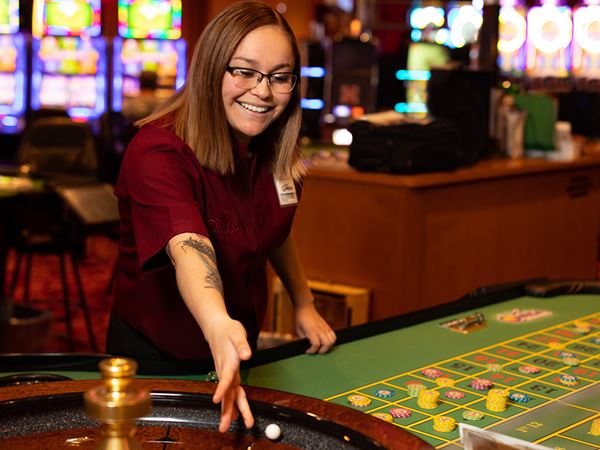
With the rapid growth of online casinos, a global gaming community has emerged that transcends geographical boundaries. Players from diverse backgrounds connect through online platforms, sharing experiences, strategies, and cultural insights. This connectivity fosters a sense of belonging and camaraderie, illustrating how digital casinos promote cross-cultural interactions. The online gaming landscape reflects a microcosm of global society, where individuals unite over shared interests.
Moreover, online casinos have adapted their offerings to cater to various cultural preferences. For example, many platforms provide games that resonate with specific cultural themes, such as Asian-inspired slots or Western classic games. This tailored approach enhances player engagement and reflects an understanding of diverse cultural backgrounds. By acknowledging these differences, online casinos create inclusive environments that welcome players from all walks of life.
Furthermore, the role of social media in the online casino community cannot be overstated. Platforms such as Twitch and YouTube have allowed players to stream their gameplay, fostering a vibrant culture of sharing and interaction. These platforms facilitate discussions around strategies, promote responsible gambling, and build communities that celebrate gaming culture. As online casinos continue to grow, their impact on the global gaming community will shape future trends and cultural exchanges.
